
Why weight comes back when you stop diet medication, and how to taper it
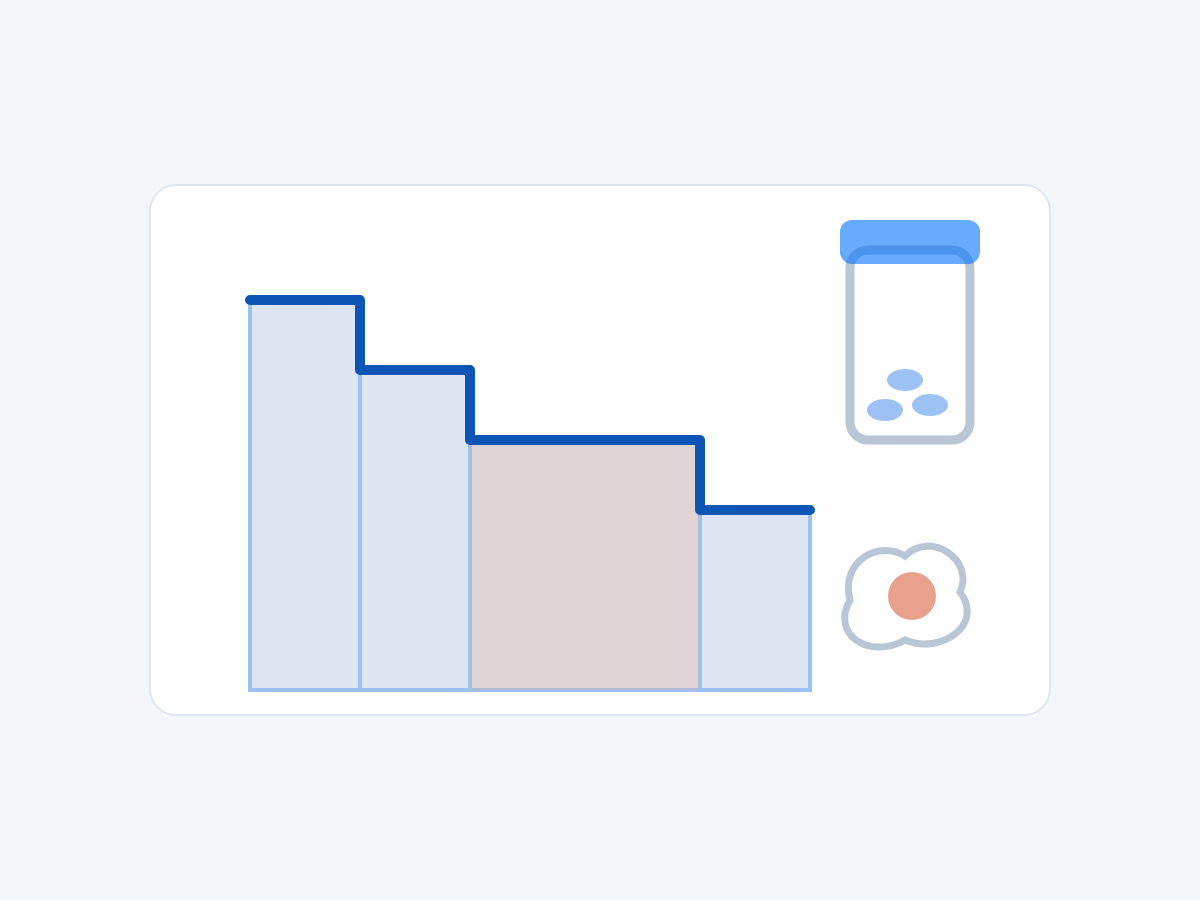
Diet medication curbs appetite while you take it but does not change your eating habits, so appetite and weight tend to come back together when you stop. That is why habits around meals, exercise and sleep should change while you are still on it, and why it should not be stopped all at once. Lower it step by step while checking weight, appetite and eating habits, and if weight rises quickly at a step, stay on that dose longer. If weight does come back, I ask patients to treat it not as failure but as a sign that daily life needs readjusting.

- ACADEMYSenior Academic Director, Korean Academy of Dermatology, Obesity and Plastic Surgery (KACS)
- PROFESSORAdjunct Professor, Korea University Medical Center
- FELLOWSHIPFellowship, University of Florida Shands Hospital
Full profileClose profile
- Ewha Womans University College of Medicine
- Residency, Korea University Medical Center
- Adjunct Professor, Korea University Medical Center
- Fellowship, University of Florida Shands Hospital
- Senior Academic Director, Korean Academy of Dermatology, Obesity and Plastic Surgery (KACS)
Contents6
- 01Why weight comes back when you stop diet medication
- 02Meals, exercise and sleep to change while you are on medication
- 03How to taper diet medication and when to stay on a dose longer
- 04Four things to check first when weight comes back after stopping
- 05When diet medication is not recommended, and contraindications to check before prescribing
- 06Frequently asked questions
"I want to lose it fast. What about diet medication?" "Can I take the diet pills sold online?" I hear these questions often in weight consultations. People already on medication ask, as they get close to their target, how long they need to keep taking it and whether the weight will come back when they stop.
That is why the book I co-wrote, Eat to Succeed (published in Korean, 2026), gives a whole chapter to diet medication. The book says some medicines work and some are dangerous, and that there is no magic solution, but used properly they can help. This article is less about choosing a medicine and more about lowering and stopping it.
Why weight comes back when you stop diet medication
Many people say eating less was not very hard while they were on medication. The book describes two main ways diet medicines work: appetite suppressants act on the brain to reduce hunger, and absorption blockers stop fat being absorbed. Either way, they only work while you take them. When the medicine that held appetite down is gone, appetite returns and weight follows.
The book says that all diet medicines lead to weight regain when stopped, because they do not fix eating habits or metabolic problems. Not everyone regains, though. People who changed their habits while on medication sometimes keep the weight off after stopping, which is why the book says weight loss can be maintained after stopping only when lifestyle is corrected as well.
One study measured how much actually comes back. It followed 327 people for a further year after they had received a once-weekly GLP-1 injection with lifestyle support for 68 weeks and then stopped both. One year after stopping, about two-thirds of the weight they had lost had returned, and most measures such as blood pressure and blood sugar moved back towards where they started.
The study was funded by the drug maker, and the researchers describe the analysis as exploratory. Lifestyle support was stopped at the same time, so the figure does not apply directly to people who changed their habits while on medication. It does show that weight lost with medication alone largely returns once the medication stops.
Meals, exercise and sleep to change while you are on medication
The months when medication has reduced your appetite are a good time to build new eating habits. If you simply eat less and let that time pass, you go back to your old meals on the day you stop. The book says you need to improve your habits and raise your basal metabolic rate through exercise to prevent regain after stopping. These are the methods in the book.
- Protein at every mealhave 20 to 30 g of protein such as eggs, chicken breast, fish or tofu at each meal. When appetite drops, many people eat less protein too.
- Fibre and eating ordereat more oats, beans and vegetables, and eat vegetables, then protein, then carbohydrates so blood sugar rises more gently.
- Take 20 minutes or moregive your brain time to notice that you are full.
- Exerciseadd strength training to aerobic exercise to keep muscle and support your basal metabolic rate.
- Sleepsleep 7 to 8 hours a night. Short sleep weakens fullness signals.
- Gut healthinclude fermented foods such as kimchi, yoghurt and doenjang, and onions, bananas and oats.
Some people ask about supplements such as berberine or curcumin. The book notes that there are studies suggesting benefits for blood sugar and insulin sensitivity, but the effect is limited. Rather than replacing medication with supplements, I recommend building the habits above first.
How to taper diet medication and when to stay on a dose longer
Many people want to stop the day they reach their target weight. The book says not to stop suddenly but to lower the dose gradually, checking weight, appetite and eating habits at each step. This is what to look at and decide at each step.
| At the lowered step | What to do next |
|---|---|
| Weight and appetite hold steady and eating habits are kept | Lower the dose one more step |
| Weight rises quickly | Stay on that dose longer and firm up meal, exercise and sleep habits |
| Habits are well established | Stay on the lowest dose or go without medication |
The book says it is best to settle on the minimum dose or, if possible, keep the weight off without medication. Once habits are firmly in place, medication naturally falls away. The pace differs from person to person, so the number of steps is not fixed in advance but decided at regular check-ups, looking at weight and food records together.

Four things to check first when weight comes back after stopping
When the scale has gone up a few months after stopping, people often blame themselves for failing again. The book says that weight coming back is not failure. It is a sign that daily life needs readjusting. Look for what has slipped among these four and put it right.
- Stressdoes the time weight went up overlap with a stressful period at work or home?
- Sleepare you going to bed later, or sleeping less than 7 hours?
- Exercisehave you stopped the strength training and walking you did while on medication?
- Mealsare you skipping meals and then eating a lot at once, or eating less protein and vegetables?
If weight keeps rising after putting these four right, going back on medication is also an option. The book says obesity is a chronic disease, so medication can be used again if needed. Even then, as the book says, the aim is the lowest dose or keeping the weight off without medication.
When diet medication is not recommended, and contraindications to check before prescribing
Some people come wanting medication, and by the end of the consultation it is no longer on the table. The book says that not everyone needs medication. It says healthy people with a BMI of around 23 to 25 can succeed by changing their habits alone. The criteria the book gives for GLP-1 medicines (FDA and Korean Society for the Study of Obesity criteria) are as follows.
| Category | Details |
|---|---|
| Used for | BMI 30 or above · BMI 27 or above with a related condition such as diabetes, high blood pressure, high cholesterol or sleep apnoea |
| Not used | Pregnant or planning pregnancy · breastfeeding · personal or family history of medullary thyroid cancer · multiple endocrine neoplasia type 2 · history of pancreatitis · severe gastrointestinal disease |
| Decide with care | History of gallstones · diabetes (risk of low blood sugar, medication may need adjusting) · kidney disease · history of depression or suicidal thoughts |
If you decide on a prescription, keep expectations realistic. The book says it can take six months or more to reach your target weight. The most common side effect is nausea, worse when starting or raising the dose, and it usually settles within 2 to 3 weeks. Eating slowly and avoiding greasy food helps. Severe abdominal pain spreading to the back can be pancreatitis, so see a doctor straight away.
Buying medication online or through social media carries the risk of fake products and serious side effects, and the book says it should never be done. See a doctor, get a prescription, and have the dose and your condition checked at regular appointments. The book ends this chapter the same way: medication is only a supporting tool, and the final goal is to maintain your weight without it.
Frequently asked questions
QWill the weight come back if I stop diet medication?
Weight lost while medication held appetite down tends to return when you stop. In a study that followed 327 people for a year after they stopped 68 weeks of injections and lifestyle support, about two-thirds of the lost weight returned. People who changed their meal, exercise and sleep habits while on medication sometimes keep the weight off after stopping.
QHow should I stop diet medication?
Do not stop all at once. Lower the dose gradually, checking weight, appetite and eating habits at each step. If weight rises quickly at a lowered step, do not move to the next step: stay on that dose longer and firm up your habits.
QIf I regain weight after stopping, have I failed?
No. It is a sign that daily life needs readjusting. Find what has slipped among stress, sleep, exercise and meals and put it right. If weight keeps rising, going back on medication is an option, and even then the aim is the lowest dose or managing without it.
QAre there people who do not need diet medication?
The book says healthy people with a BMI of around 23 to 25 can succeed by changing their habits alone. The book's criteria for GLP-1 medicines are a BMI of 30 or above, or 27 or above with a related condition. They are not used during pregnancy or breastfeeding, or with a family history of medullary thyroid cancer or a history of pancreatitis.
QCan I buy diet medication online?
No. There is a risk of fake products and serious side effects. See a doctor, get a prescription, and have the dose and your condition checked at regular appointments.
2 min walk from Isu Stn. Exit 13 (Line 4·7)
Tel 02-517-9996