
Why not to skip meals before dinner plans on a diet, and how to choose when eating out
On a day with dinner plans, I recommend not going hungry all afternoon and having a snack about three hours before you go out. For a 7 pm dinner, that means 4 pm. If you sit down ravenous, neither choosing from the menu nor slowing down goes the way you planned. At a restaurant, pick a dish with an obvious protein such as fish, lean meat or tofu, add vegetables and cut back on rice and bread. At a buffet, fill your plates in the order vegetables, protein, then carbohydrate. It is better not to drink, and if you do, have a glass of water with each drink. Even after a big meal, do not fast the next day. Keep breakfast light and go back to your usual meals from lunch.

- ACADEMYSenior Academic Director, Korean Academy of Dermatology, Obesity and Plastic Surgery (KACS)
- PROFESSORAdjunct Professor, Korea University Medical Center
- FELLOWSHIPFellowship, University of Florida Shands Hospital
Full profileClose profile
- Ewha Womans University College of Medicine
- Residency, Korea University Medical Center
- Adjunct Professor, Korea University Medical Center
- Fellowship, University of Florida Shands Hospital
- Senior Academic Director, Korean Academy of Dermatology, Obesity and Plastic Surgery (KACS)
Contents7
- 01Why skipping meals before an evening out makes you eat more
- 02Why to have a snack at 4 pm before a 7 pm dinner
- 03What to order and what to avoid at Korean, Western, Japanese and Chinese restaurants
- 04Why to fill a buffet plate with vegetables, then protein, then carbohydrate
- 05How to choose drinks and food at a work dinner with alcohol
- 06How to go back to normal meals the day after eating a lot, without fasting
- 07Frequently asked questions
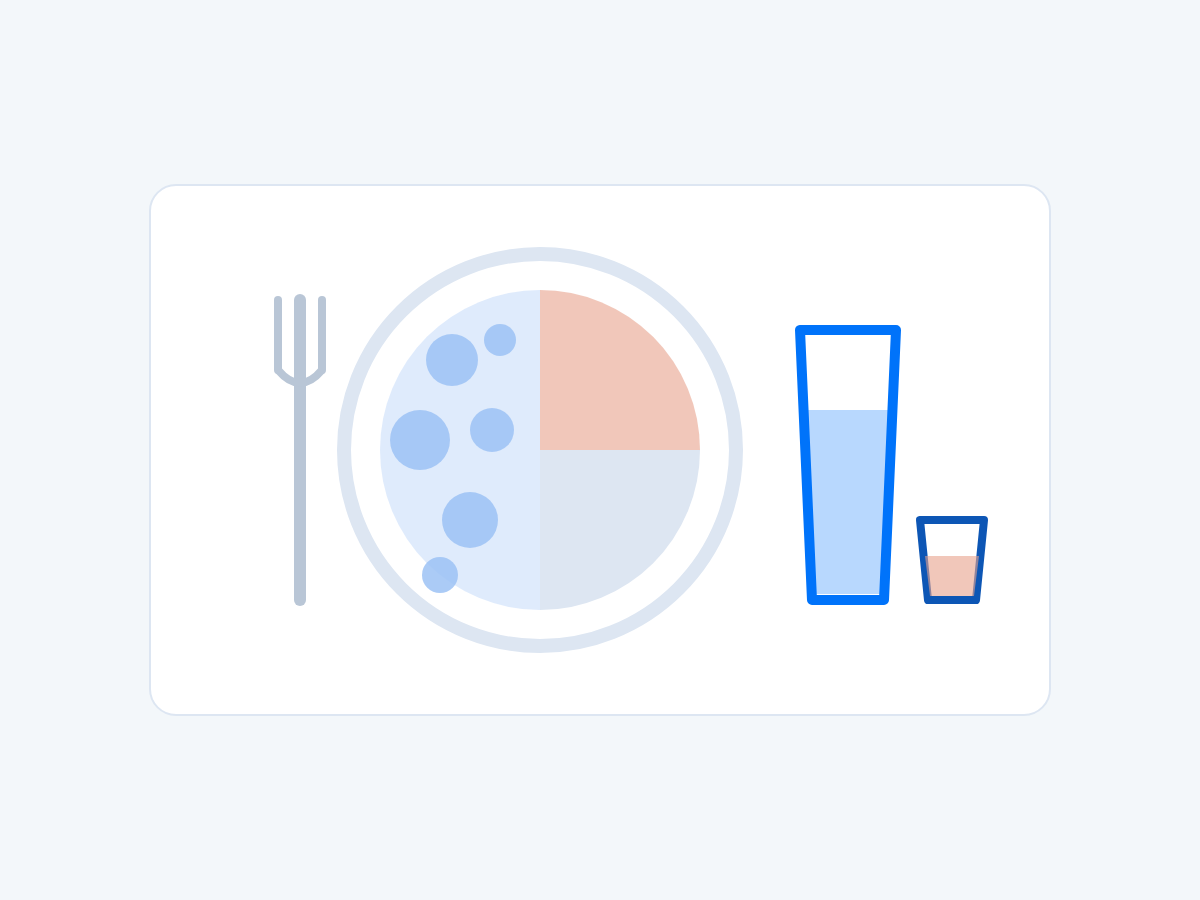
Once you start a diet, the dinner plans on your calendar are the first thing you notice. With work dinners, friends and family meals adding up to two or three a week, it is easy to feel the diet has failed before it began.
That is why the book I co-wrote, Eat to Succeed (published in Korean, 2026), gives a whole section to choosing food on days you are eating out. Restaurant food has more calories and bigger portions than a home meal, and the menu limits your options, so it can feel like the enemy of a diet. Still, as the book says, it is fine if you choose wisely. Before thinking about the menu, decide how you will spend the hours before you go.
Why skipping meals before an evening out makes you eat more
When you have dinner plans, it is tempting to think that since you will eat a lot later, you should eat less during the day, so you skip lunch or get by on a few bites of salad. But when you go without food for a long time, the body switches into survival mode. Once hunger peaks, the limbic system, which runs on instinct, takes over from the frontal lobe, which handles reasoning, and orders you to eat a lot right now.
If you are handed a menu in that state, neither choosing nor slowing down goes the way you planned. Eating a lot at once after a long fast also sends blood sugar up sharply, and a surge of insulin stores the surplus energy as fat. The book describes this as a problem of the brain, not of willpower.
Why to have a snack at 4 pm before a 7 pm dinner
The book introduces the 3.6.9 approach, eating five times a day at three-hour intervals, and ends that chapter with frequently asked questions. One of them is what to do when eating out. The answer in the book is to move the meal before it to fit the time you are eating out. If you have a 7 pm dinner, have a snack at 4 pm.
That way you do not arrive ravenous. Sitting down moderately hungry is what lets you avoid overeating and keep control of how much you eat. The book uses a hunger scale from 1 to 10. A 3 is hungry: your stomach rumbles and you start thinking about food. A 7 is satisfied: you are no longer hungry and feel comfortable. At a dinner out, too, start at a 3 or 4 and put down your chopsticks at a 7.
For the 4 pm snack, combine fruit with protein, such as an apple with almond butter or a banana with nuts. Greek yoghurt with fruit or vegetable sticks with hummus work too. If you only have biscuits or a sweet drink, your blood sugar rises and falls and you feel more tired a little later.
What to order and what to avoid at Korean, Western, Japanese and Chinese restaurants
Opening a menu can mean a long tussle between what you want and what you think you should have. At any restaurant, pick a dish with an obvious protein such as fish, lean meat or tofu, and go for the one that comes with plenty of vegetables. Avoid fried food, sugary sauces and cream or butter sauces, and cut down on rice and bread. Here is the book's list by type of restaurant.
| Restaurant | Order | Avoid | When ordering |
|---|---|---|---|
| Korean | Grilled fish set meal (mackerel or Spanish mackerel) · doenjang-jjigae (soybean paste stew) set meal · bibimbap with half the rice · ssambap (rice with leaf wraps) | Sugary braised dishes such as jjimdak or galbi-jjim · mostly fried dishes | "Half a bowl of rice, please" · "Less seasoning, please" · eat mainly the vegetable side dishes |
| Western | Grilled chicken salad · salmon steak without butter sauce · fillet steak · roasted vegetables · pasta with tomato or olive oil | Cream pasta · lasagne · pizza · risotto | "Dressing on the side, please" · turn down the bread basket · salad or roasted vegetables instead of chips |
| Japanese | Sashimi set meal · sashimi rice bowl with less rice · grilled salmon set meal | Tempura and other fried dishes | Brown rice if they have it · less rice · only a little soy sauce |
| Chinese | Yusanseul (stir-fried seafood and vegetables) · chicken and vegetable stir-fry · seafood dishes | Sweet and sour pork · kkanpunggi (fried chicken in chilli sauce) · jajangmyeon (black bean noodles) | "Less oil, please" · share dishes if there are two or more of you · a soup instead of jajangmyeon |
Korean meals come with plenty of vegetable side dishes, but the seasoning is high in sugar and salt, so go easy on the salty ones. Japanese meals have a lot of fish, but white rice and soy sauce come as standard, so cut down on both. Fast food is best avoided. If you have to grab something quickly at a convenience store, choose a triangle rice ball with a salad, chicken breast with a salad, or Greek yoghurt with nuts.
Why to fill a buffet plate with vegetables, then protein, then carbohydrate
Some occasions, such as a first-birthday party or a wedding, make a buffet hard to avoid. With every dish unlimited, it is an especially hard place to hold back on a diet. The book says a buffet is better avoided, but if you have to go, drop the idea of getting your money's worth. Fill your plates in this order.
- Small platesuse small plates even if it means more trips. That way your eyes also register that you have eaten a lot.
- Vegetables firstmake the first plate salad and fill up on fibre.
- Protein secondput fish, lean meat or seafood on the second plate.
- A little carbohydrate lasttake only a small amount of rice, noodles or bread, at the very end.
- Mostly fruit for dessertno more than one slice of cake.
- Eat slowlydo not rush, and enjoy the conversation. It takes at least 20 minutes for the brain to get the signal that you are full.
Eating vegetables first and leaving carbohydrate for last also affects blood sugar. The book notes that eating in the order vegetables, protein, carbohydrate makes blood sugar rise more gently. One study compared the two orders directly. Eleven people with type 2 diabetes taking metformin ate the same meal twice, a week apart. Once they ate bread and orange juice first and the chicken breast and vegetables 15 minutes later, and once they did the reverse.
On the day they ate vegetables and protein first, blood sugar after the meal was 29%, 37% and 17% lower at 30, 60 and 120 minutes, and insulin rose less as well.
This was a small pilot study of 11 people, measured for only two hours after the meal, and everyone in it had diabetes. It did not show that changing the order of food leads to weight loss. Even so, starting a buffet with a plate of salad lets you fill up on fibre first.
How to choose drinks and food at a work dinner with alcohol
Work dinners are hard to skip, and once you sit down, two or three hours go by quickly. The book puts not drinking at all as the best choice. If you have to drink, stop at one or two glasses of wine or a can of beer, and avoid somaek (beer mixed with soju) or several bottles of soju.
For food, choose grilled dishes, seafood, dubu-kimchi (tofu with stir-fried kimchi) and vegetable wraps. If you are grilling meat, choose pork neck over pork belly and take the skin off meat that has it. Avoid fried food, fried chicken and pizza, and wrap your meat generously in leaves. Have a glass of water with every drink, think carefully before going on to a second place, and if you do go, switch to coffee or tea.
Does drinking mean you eat less food to make up for it? A review that pooled 22 studies with 701 participants comparing drinking with not drinking found that it does not. People did not eat less when they drank, and across 12 of the studies, food intake was on average 343 kJ (about 82 kcal) higher with alcohol. Adding the calories from the drinks themselves, the difference rose to 1,072 kJ (about 256 kcal).
The studies involved younger adults aged 18 to 37, so the results cannot simply be applied to older people, and the results varied a good deal between studies. Still, the finding that people do not eat less food to make up for the calories in their drinks was consistent across studies.
How to go back to normal meals the day after eating a lot, without fasting
Some people step on the scale the morning after a work dinner and try to make up for it by fasting all day. That stretches the fast out again and makes it easy to overeat that evening as well. The book lists four things to do after eating out or overeating.
- Do not blame yourselfone big meal does not ruin a whole diet. Instead of blaming yourself, just start again.
- Ease back instart the day with a light breakfast of fruit or yoghurt, and go straight back to your usual meals from lunch.
- Water and a walkdrink plenty of water to bring down puffiness, and use up some of the previous day's calories with a walk or light exercise.
- Look at the long runyour eating pattern over time matters more than any one meal.
The book says that if you manage 80% of your eating well, you can enjoy the other 20% more freely. A few dinners out do not mean your diet is over.
Frequently asked questions
QCan I skip lunch if I have dinner plans?
It is better not to. If you sit down ravenous, overeating is hard to avoid. For a 7 pm dinner, have a snack of fruit with some protein at 4 pm and go out moderately hungry.
QWhat should I drink at a work dinner while dieting?
Not drinking is better. If you have to, stop at one or two glasses of wine or a can of beer, and avoid beer and soju mixes or several bottles of soju. Have a glass of water with every drink.
QWhat should I eat with drinks while dieting?
Choose grilled pork neck rather than pork belly, seafood, tofu with kimchi and vegetable wraps, and avoid fried food, fried chicken and pizza. Wrap your meat generously in leaves.
QHow should I eat at a buffet?
Use small plates. Fill the first with vegetables and the second with protein such as fish or lean meat. Take only a little rice, noodles or bread at the end, have mostly fruit for dessert and eat slowly.
QShould I fast the day after overeating?
You do not need to. Have a light breakfast of fruit or yoghurt and go back to your usual meals from lunch. Drink plenty of water and take a walk or do some light exercise.
2 min walk from Isu Stn. Exit 13 (Line 4·7)
Tel 02-517-9996