
Why you eat little but do not lose weight, and how to find the hidden calories in your diet
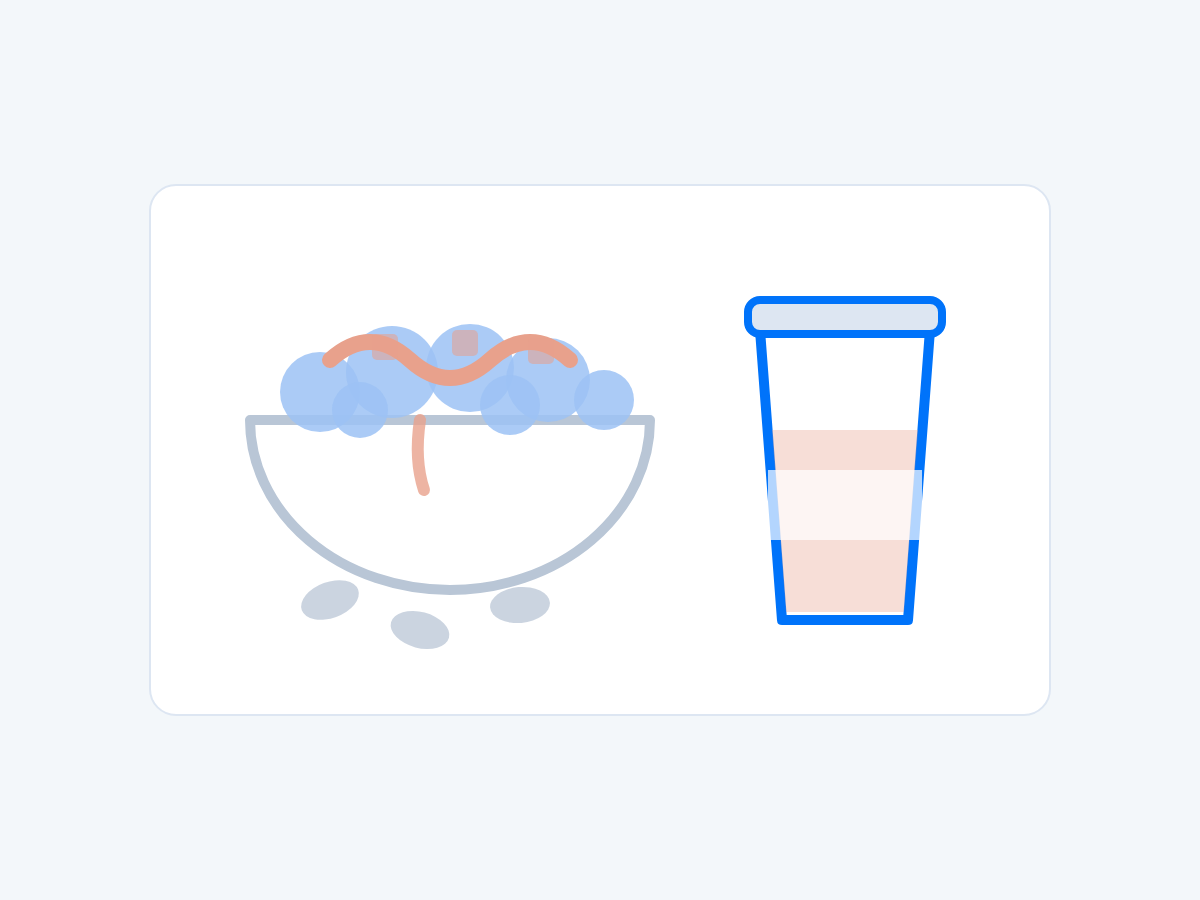
If you eat three meals a day and your weight has stayed the same for weeks, I recommend looking for hidden calories before you cut any meals. These are calories you eat without registering them: shop-bought dressing on a salad, a latte or a glass of fruit juice, a handful of nuts here and there, the oil in a stir-fry. The healthier you believe a food is, the less of it you tend to think you ate. Keep shop-bought dressing to a teaspoon, switch drinks to water or unsweetened tea, and count out about 20 nuts a day. Weight can go up slightly in the first two or three weeks after you start eating regularly, so adjust your daily total only if nothing has changed after six weeks.

- ACADEMYSenior Academic Director, Korean Academy of Dermatology, Obesity and Plastic Surgery (KACS)
- PROFESSORAdjunct Professor, Korea University Medical Center
- FELLOWSHIPFellowship, University of Florida Shands Hospital
Full profileClose profile
- Ewha Womans University College of Medicine
- Residency, Korea University Medical Center
- Adjunct Professor, Korea University Medical Center
- Fellowship, University of Florida Shands Hospital
- Senior Academic Director, Korean Academy of Dermatology, Obesity and Plastic Surgery (KACS)
Contents7
- 01Skipping meals versus hidden calories: how the two differ
- 02Why we remember eating less when the food is healthy
- 03The dressings and toppings that turn a salad into a high-calorie meal
- 04Calories you drink, from lattes to fruit juice
- 05Ten sources of hidden calories and how to set portions
- 06Keeping your meals and a food record while you cut hidden calories
- 07Frequently asked questions
"Doctor, I hardly eat anything and I still gain weight." Most people who come in about their weight say this, almost word for word. That is why it went on the cover of the book I co-wrote, Eat to Succeed (published in Korean, 2026).
The book answers it in two ways. One is that you really are eating too little. After long gaps without food followed by one big meal, the body treats it as a food shortage, lowers its basal metabolic rate and stores what comes in as fat. The other is calories you eat without noticing. Chapter 8 of the book has a whole section on hidden calories, and when you go through a food diary, they often turn out to be the culprit.
Skipping meals versus hidden calories: how the two differ
People who barely eat breakfast and have one big meal a day say they eat little and cannot lose weight. So do people who never miss a meal. The words are the same, but the two eat very differently over the day.
If you eat one big meal a day, or nearly fast on weekdays and eat a lot at weekends, you are in the first group. At the start of the book there is an eleven-item checklist for a body that gains weight while starving. Rarely eating breakfast, eating one big meal a day and fasting on weekdays then eating a lot at weekends are all on it. Here the answer is not to eat less but to spread your eating out every three hours.
If you eat three meals at regular times and your weight still does not move, that is when to look for hidden calories. The book also says when to start. In the first two or three weeks of eating regularly, your weight may go up a little. That happens as a body that has been underfed starts to feel safe, so there is no need to comb through your diet yet. If nothing has changed after six weeks, keep eating often and adjust your total for the day.
If you take "adjust your total" to mean "drop a meal", you end up back in the first group. Keep your meals and start by trimming the calories that slipped past you.
Why we remember eating less when the food is healthy
Foods with a healthy reputation, like salad, nuts or granola, are the ones people eat without a second thought. The book calls this a distortion in how we perceive calories. When a food feels healthy, we sense that we ate less of it than we did. So even salad and health foods are not unlimited, and you need to decide the amount on purpose.
One study measured how much less people remember eating. In the US in 1992, researchers took 10 patients with obesity who said they ate under 1,200 kcal a day yet could not lose weight, and measured them directly for 14 days. Their daily energy expenditure and resting metabolic rate were within 5% of the values predicted from their body composition. But they under-reported what they ate by an average of 47% and over-reported their physical activity by 51%.
The researchers concluded that the cause was not a slow metabolism but eating more than they had written down. This was a small study of just 10 people, all of whom had complained that they could not lose weight, so it would be hard to say the same of everyone who says they eat little. Still, it shows that if you leave it to memory, you may write down less than you actually ate.
The dressings and toppings that turn a salad into a high-calorie meal
Once you switch lunch to a salad, it can feel like the job is done. But even a light salad of around 300 kcal can climb quickly once shop-bought dressing, croutons and grated cheese go on. The book says a salad you thought of as health food can in effect become a high-calorie meal.
Instead of mayonnaise or ketchup, make your own dressing with lemon juice, vinegar or herbs, or use balsamic vinegar. If you use a shop-bought dressing, keep it to a teaspoon.
Fat-free dressing might seem like the answer, but many products replace the fat with sugar for flavour. Their calories can end up similar to the regular version, or even higher. The same goes for fat-free yoghurt, so check the nutrition label for products low in both fat and sugar.
If you get hungry again soon after a salad and reach for something else, add protein. The more protein and fibre a food has, the longer it keeps you full.
Calories you drink, from lattes to fruit juice
When people think back over what they ate, many leave drinks out. The book calls the idea that drinks do not count a big misconception. A 500 ml soft drink has about 200 kcal and 250 ml of fruit juice about 120 kcal. A café latte is around 190 kcal a cup, and a Frappuccino can go over 400 kcal.
Calories you drink are not easily made up for by eating less at meals. In a 2000 study in the US, 15 adults added about 450 kcal a day as soda for four weeks and the same amount as jelly beans for another four. During the jelly bean weeks they ate correspondingly less of everything else, but during the soda weeks they did not. Their weight went up only in the soda period.
It was a small study of 15 people over four weeks each, comparing sweet soda with jelly beans, so it is hard to apply directly to every drink. Drink mainly water, unsweetened tea or sparkling water, and keep sweet drinks to once or twice a week.
Ten sources of hidden calories and how to set portions
"I only use a little oil when I cook." The book opens its section on cooking oil with that line. The trouble is that "a little" has no clear measure. Olive oil has about 120 kcal per tablespoon, so two or three tablespoons in a stir-fry add 300 to 400 kcal. A measuring spoon or an oil spray and a non-stick pan cut the amount.
Nuts are good for you but very calorie-dense. A handful of almonds is about 160 kcal, and if you eat from the bowl you can pass 500 kcal before you know it. Fruit is the same: a banana is about 105 kcal, so being healthy does not make it unlimited. Here are the book's ten sources of hidden calories and how to cut them back.
| Hidden calories | Why they are easy to miss | How to cut back |
|---|---|---|
| Dressings and sauces | Shop-bought sauces are high in calories even in small amounts | Make your own with lemon juice, vinegar or herbs, or use balsamic vinegar · shop-bought: a teaspoon at most |
| Drinks | Drinks are not counted as calories | Water, unsweetened tea or sparkling water · sweet drinks once or twice a week at most |
| Nuts | Healthy but calorie-dense | Portion them out in advance · count about 20 a day |
| Cooking oil | "A little" has no clear measure | Measuring spoon or oil spray · non-stick pan |
| "Healthy" snack bars | Many granola and protein bars are high in sugar and calories | Check the label: 200 kcal or less, at least 10 g protein and 10 g sugar or less per bar |
| Alcohol | High-calorie snacks come on top of the calories in the drink | Stop, or limit to one or two drinks once a week · snack on vegetable sticks or tofu |
| "Fat-free" products | Many replace the fat with sugar | Choose products low in both fat and sugar |
| Fruit | Seen as healthy, so the amount is never set | 2 to 3 times a day · one kind at a time · lower-calorie fruit such as berries |
| Tasting and picking | Tasting while cooking, finishing children's leftovers and picking at cheese or snacks in passing are not counted as eating | Do not eat standing up · sit down and eat from a plate |
| Protein shakes and smoothies | Adding banana, peanut butter and honey can easily push them past 800 kcal | Protein powder with water or unsweetened almond milk and a few berries · 400 kcal or less |
Of the ten, tasting and picking rarely make it into a food diary. A big serving dish on the table keeps you refilling, so the book suggests putting food onto small individual plates and keeping snacks out of sight. Changing your surroundings is easier than relying on willpower.
Keeping your meals and a food record while you cut hidden calories
Once you find the hidden calories, it is tempting to cut meals too and lose weight faster. But the book warns that cutting calories alone harms your health. The body needs a full range of minerals and vitamins such as iron, calcium and omega-3 to work properly. When calories are in excess but nutrients are short, the body keeps sending hunger signals even when you are full, because what it needs has not arrived yet.
What to trim is things like dressing, sweet drinks and nuts eaten straight from the bowl, while meals, protein and vegetables stay as they are. Keep to that order if you do not want to slip back into losing weight by going hungry.
To find where hidden calories are coming in, write down what you eat, even for just a few days. The book notes that a simple record of what you ate and how much energy you had afterwards helps you find the meals that suit you. Write down drinks and the things you picked at too, or the missed calories will not show up.
Even after you trim hidden calories, the number on the scale may not move the next week. The book also says there is no need to fixate on a single number.

Frequently asked questions
QWhy am I not losing weight when I eat so little?
It depends on how you eat over the day. If you get by on one meal a day or go hungry and then eat a lot at once, your body may have shifted to lowering its basal metabolic rate and storing fat. If you eat three meals and your weight still does not move, look for hidden calories you eat without noticing, such as dressing, drinks, nuts and cooking oil.
QCan you fail to lose weight eating only salads?
Yes. Even a light salad gains a lot of calories once shop-bought dressing, croutons and grated cheese go on. Keep shop-bought dressing to a teaspoon and add some protein.
QHow many nuts can I eat a day on a diet?
The book suggests about 20 a day. If you eat from the bowl you will soon have a lot, so portion them out in advance or count them.
QDo fat-free products help me gain less weight?
Not necessarily. Many replace the fat with sugar, so their calories can be similar to the regular version or even higher. Check the nutrition label for products low in both fat and sugar.
QI started eating regularly and gained weight. What should I do?
Weight can go up a little in the first two or three weeks. It happens as an underfed body begins to feel safe, so there is no need to stop. If nothing has changed after six weeks, keep eating often and adjust your daily total, starting with hidden calories.
2 min walk from Isu Stn. Exit 13 (Line 4·7)
Tel 02-517-9996