
Full cheeks that still look good: what is different about those faces
Online you will see simple formulas: lose the cheek fat and you look better, clear the deep cheek and you get a V-line. In the consulting room the problem is far more often where the volume sits, not how much of it there is.

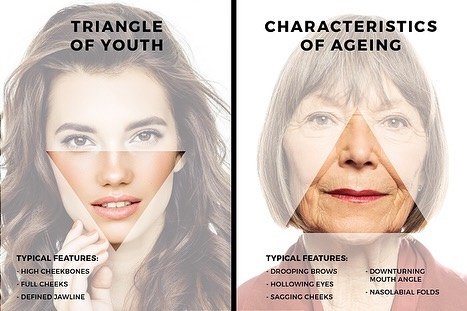
A young face carries its volume high(under the eyes and across the cheekbone)in an inverted triangle. Over time the same volume moves down and the shape inverts. Aesthetic medicine calls this the Triangle of Youth. The idea has been discussed in plastic surgery since the late 1990s and became the standard model for facial ageing after Rohrich and Pessa published in 2007.
In a young face the weight sits under the eye, on the cheekbone and on the anterior cheek. Later it moves down: the area below the cheekbone empties while weight collects beside the mouth and above the jawline.
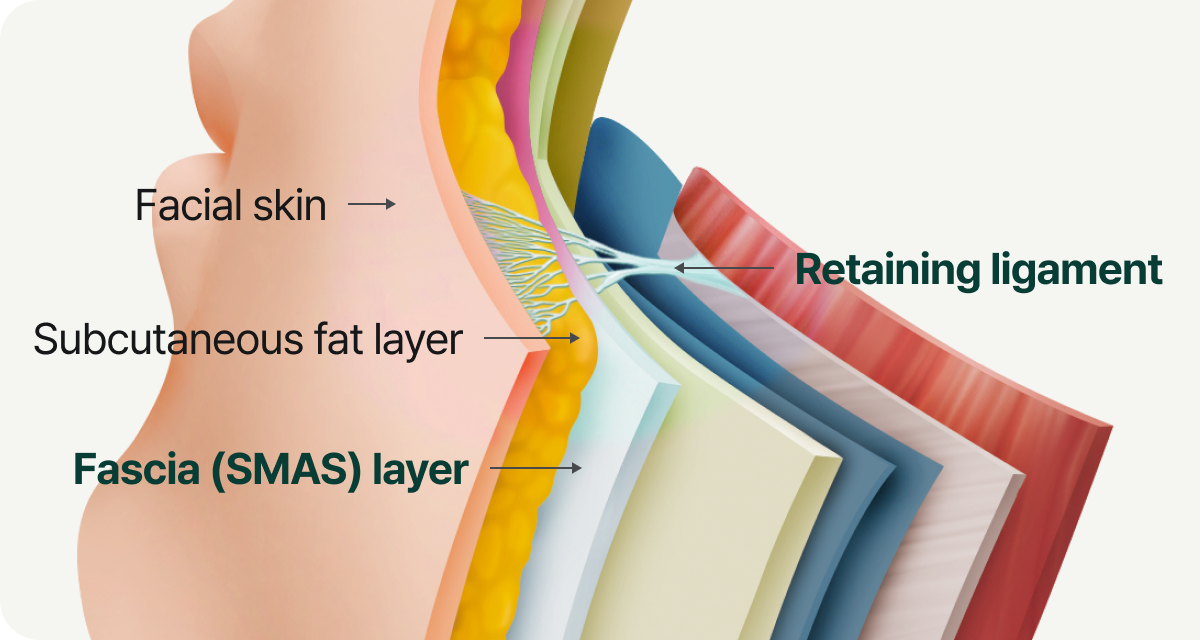
What drives this is not fat sliding downward on its own. The retaining ligaments that held the fat loosen, and the SMAS beneath them loses tension. Several layers change at once.
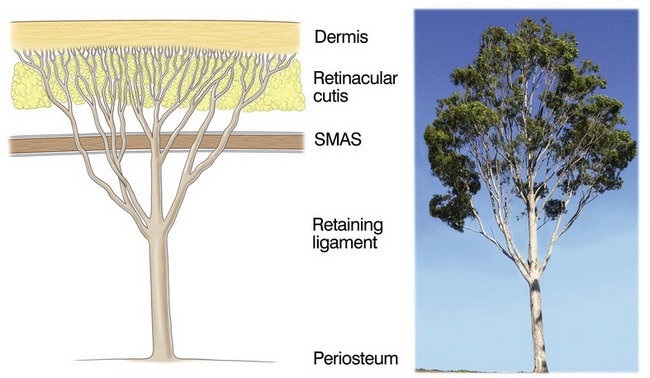
The face is not one sheet of skin. Skin → subcutaneous fat → SMAS → periosteum → bone are stacked like pages in a book. The SMAS is one of the main supporting layers, and the retaining ligaments branch through it holding it in place.
When those two weaken, the volume above them starts to travel down with them. This is the first thing worth establishing: before the amount of cheek fat, the state of the support underneath it.



Cheek fat is not one thing
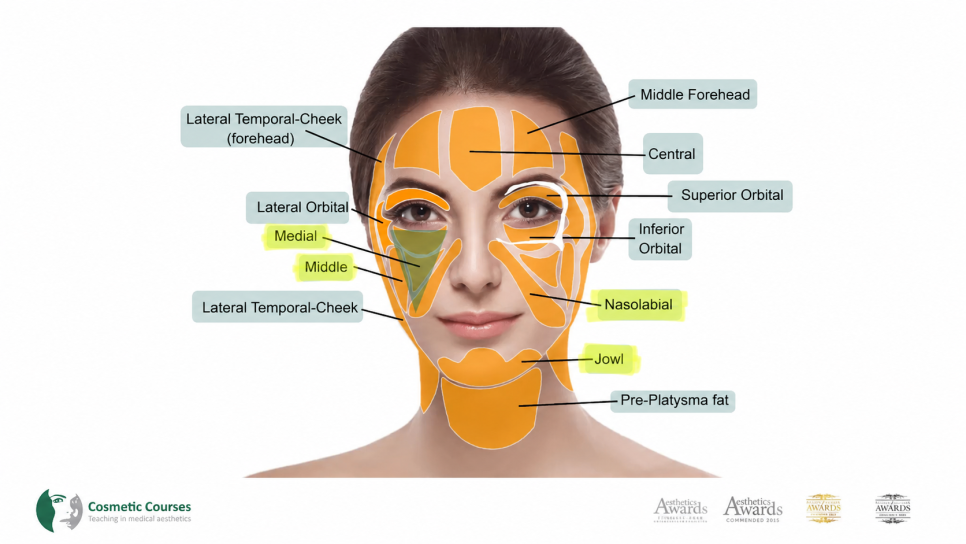
Saying volume moves is another way of saying cheek fat is divided into regions. Anatomically facial fat is not a single mass. It is separated into fat compartments, with septa and retaining ligaments holding the boundaries.
Where cheek volume helps
Medial cheek fat. Running from under the eye toward the front of the cheekbone. This volume is what makes a face look bright. When it empties, the face reads as tired and shadowed.
Middle cheek fat. The rounded volume sitting just below the cheekbone. It gives the face dimension, and creates the highlight that gathers upward when you smile.
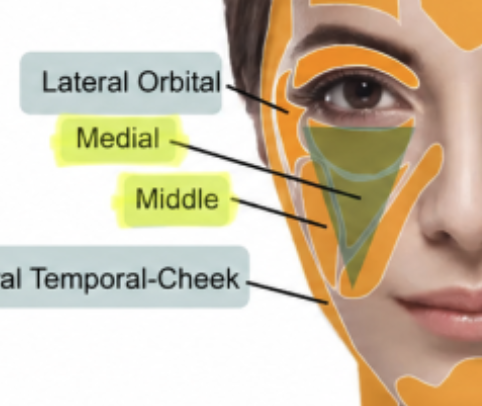
Where cheek volume weighs a face down
Nasolabial fat. Descending beside the nasolabial fold. Too much of it, or descent, makes the area around the mouth look heavy and deepens the fold when you smile.
Jowl fat. Sitting along the lower face. Volume collecting here blurs the jawline and makes the lower face look wide and heavy.
So the upper two compartments are volume a face needs, and the lower two are volume that weighs it down once there is too much. They sit in different layers, and they age at different rates and in different directions.
When the support under the medial and middle cheek weakens, or the retaining ligaments holding it loosen, the superficial fat above starts to travel down as well. It feels like the cheeks have simply sagged; underneath, a structural change is already under way.
What looks like the same "cheek fat" from outside can be either a cheek that lifts the face or a cheek that pulls it down.
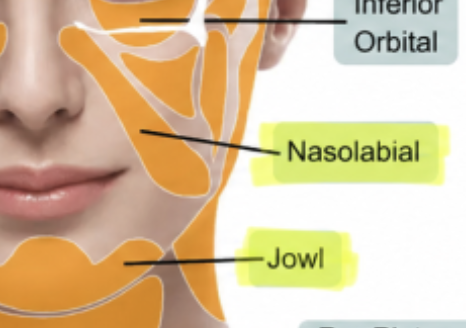
Good cheek volume sits high
People whose faces look bright despite full cheeks have three things in common. The plane running from under the eye to the anterior cheek is smoothly filled; a rounded highlight sits just below the cheekbone; and when they smile the cheek gathers upward rather than spreading down. It is a matter of position.
Reduce cheek fat indiscriminately on a face like that and it may get smaller, but the volume that was carrying the face goes with it. The result reads as tired, or vaguely empty.
Cheek treatment is not a question of how much. It is a question of position, direction and layer. Some volume should be preserved, some reduced, and some lifted back to where it belongs.
This is the first of three parts. The next covers which lifting approach suits volume that has already descended; the third covers whether Ultherapy causes hollow cheeks.


1 min walk from Dunchon-oryun Stn. Exit 1 (Line 9)
Tel 02-488-9119