
Why dermatologists keep prescribing azelaic acid for acne
Azelaic acid can help pigmentation. But the reason I reach for it in practice is different: it treats the acne itself while managing the marks acne leaves behind.

"I heard azelaic acid helps pigmentation too: can I use it?" It comes up often, and plenty of people do come for the pigment.
It used to be something people first met during acne treatment. These days many arrive having already read about it online.
If you came for melasma
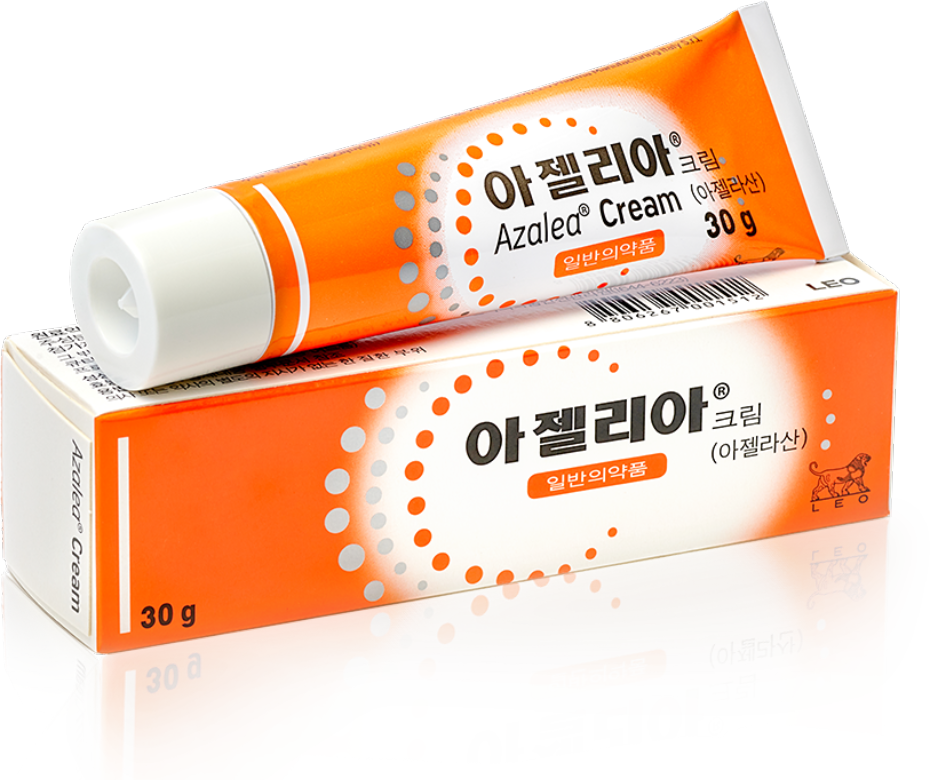
The active ingredient is azelaic acid. It inhibits tyrosinase, an enzyme involved in melanin production, so it can help lighten melasma and the brown marks left after acne. The claim that it works on pigment is not wrong.
But melasma alone is rarely the reason I reach for it first. Melasma treatment varies with skin type, pigment depth and extent, and there are many other topicals and procedures to choose from.
Above all, azelaic acid commonly stings, burns or feels drying at first. That irritation is fairly common early in treatment. Whether pigment alone justifies that discomfort is something I judge from the skin.
With acne present, the calculation changes.
Treating acne and its marks with one agent
What makes acne treatment harder than it looks is that the cause is not single. Pores block, and sebum, keratin, inflammation and acne-related bacteria all play a part together.
Azelaic acid does not touch only one of them. It reduces pore blockage, suppresses the growth of acne-related bacteria and helps calm inflammation. The American Academy of Dermatology recommends it among the topicals usable for acne for exactly this reason.
So it can be used across the spectrum, from comedonal bumps to red inflammatory acne.
There is one more thing I weigh heavily: the brown marks left where acne has been. Many people find the acne settles but the brown marks stay for months. Because azelaic acid also affects melanin production, it helps manage that post-inflammatory pigmentation alongside.
In the consulting room I usually put it this way:
Suited to long courses of treatment
Acne is not a condition that ends after a few days of cream. It improves and returns, and often needs a topical used steadily for some time.
Azelaic acid is not an antibiotic, so it is not a drug whose course has to be limited because of resistance: which gives it a place where acne has to be managed over a long period.
For those planning or carrying a pregnancy it is among the topicals that can be considered. Retinoids drop out during pregnancy and options narrow; azelaic acid is absorbed systemically only to a small degree, which is why it is considered. There are no large trials in pregnant women, however, so during pregnancy or breastfeeding, review your other medication and decide with your doctor.
It is still not for every acne
It is a long-established acne treatment, but not the best choice for everyone. Very sensitive skin may not tolerate the stinging and dryness, and severe or scarring inflammatory acne is often more than one topical can treat.
Conversely, if comedones and inflammatory lesions are mixed and your skin readily keeps brown marks afterwards, its strengths are well used.
It is a drug with real strengths. But where skin is very sensitive or the inflammation severe, another treatment may fit better. Rather than starting because the internet says it is good, establish the type of acne and the state of the skin first.
Frequently asked questions
It stings at first: should I continue?
Stinging, burning and dryness early on are fairly common and usually ease with time. If irritation persists or redness worsens, stop and have it checked.
How long do I need to use it?
It takes time to show. Expect several weeks of steady use before change appears, and longer for pigmentation. It is not a drug whose course is limited by resistance, so whether to continue is decided on progress.
Can children use it?
Safety and efficacy of the 20% cream are not sufficiently established under 12. Whether to use it in adolescents is judged on age and skin condition in consultation.
Can I use it during pregnancy?
Systemic absorption through skin is low, so it is among the topicals considered in pregnancy. Large trials in pregnant women are lacking, so review other medication and decide with your doctor.
1 min walk from Dunchon-oryun Stn. Exit 1 (Line 9)
Tel 02-488-9119