
You lost the weight and only your face looks older: what is happening
Looking older after weight loss is not ageing that arrived overnight. The subcutaneous fat supporting the face goes first, and the dermis above it cannot keep up, so it is left over. That is why judgement is more accurate once the weight has held steady for a couple of months than right after the loss. If hollow cheeks, deeper nasolabial folds and a softened jawline came together, the first decision is whether to fill or to lift.

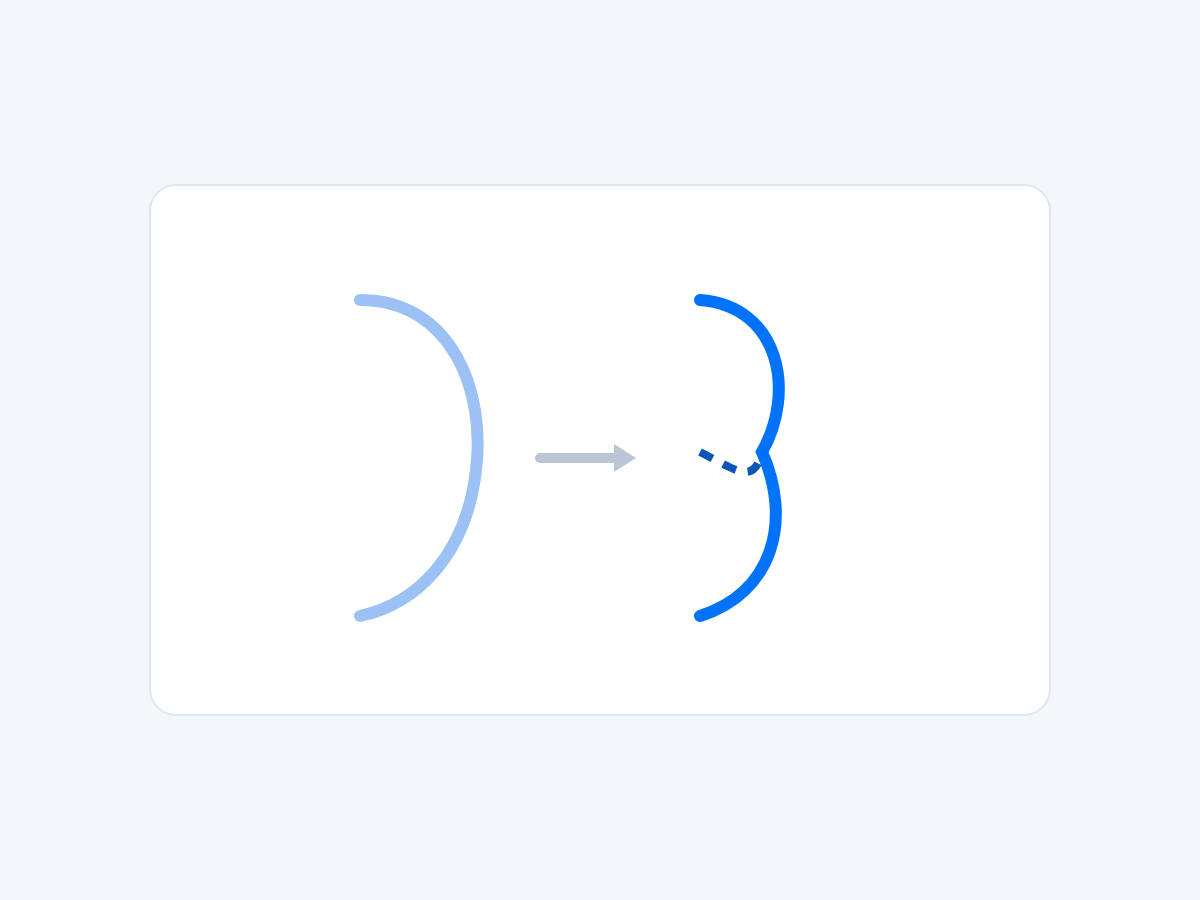
More patients arrive lately having succeeded at losing weight. And the first thing they say in the consultation room is often, "I lost the weight, but my face aged ten years." They look in the mirror and cannot make sense of it themselves.
Fat leaves first and the skin is left behind
When body weight falls, fat leaves everywhere at once, and the face is no exception. The problem is speed. Subcutaneous fat shrinks fairly quickly, while the dermis and the skin covering it do not shrink at the same rate. Once the support underneath has gone and the surface stays as it was, the cheeks look hollow, the nasolabial folds look deeper and the jawline blurs.
So it is hard to explain this change as ageing alone. At the same age it shows up more clearly in someone who lost the weight fast, and less in someone who took it slowly.
Why I do not decide on treatment straight after the loss
Some patients come asking for volume the week they hit their target. At that point the weight is usually still moving. Fill the face now, lose another 3kg two months later, and the filled area and everything around it no longer match. The other way round, stop the diet and let the weight come back, and what was placed starts to look heavy.
Once the weight has stayed where it is for a couple of months, that is when I start talking about treatment. In between I look at protein intake and muscle mass first. If muscle went with the fat, working on the face alone brings you back to the same place a few months later. For patients flying in, this is worth knowing before booking: the useful trip is the one taken after the weight has settled, not during the loss.

Why I look at weight and face together
I analysed data from the Korea National Health and Nutrition Examination Survey on 9,519 adults, looking at how obesity and abdominal obesity relate to hypertension and albuminuria, and published it as first author in PLOS ONE in 2014. What that study covered was cardiovascular and renal, but the point carries over: how fast and in what way weight changes shows up across the body on different delays.
That is also why I ask about body composition and diet in a room where we are looking at skin. Decide from the face alone and we repeat the same consultation a few months later.
Telling filling apart from lifting
In a consultation after weight loss I separate these two first. The same word, "hollow", takes a different approach depending on which it is.
| What I check | Points to filling | Points to lifting |
|---|---|---|
| Lying down | The hollow stays as it is when you lie down | Most of it smooths out when you lie down |
| The edge | The border dips inward | The border slides downward |
| Jawline | The jawline is relatively intact | The jawline blurs with it |
| Extent | Only local hollowing | The whole facial contour has dropped |
In practice the two overlap more often than not. When they do, I lift first and fill only what is still hollow about a month later. Reverse the order and what was placed gets pushed downward.
When I do not recommend treatment
If you are still losing weight, or your weight has swung by 5kg or more in the past three months, I do not bring up treatment that day. The same goes for a marked drop in muscle mass. We sort out diet and exercise first, and I see you again once the weight has found its level.
I also say in advance where expectations have to come down. Going back to the face you had before the weight loss is not realistic. Building a natural contour at the weight you are now is.
FAQ
Does losing weight always make the face look older?
It depends on how much and how fast. Losing it slowly shows less. Someone who had little facial fat to begin with sees a bigger change from the same amount of loss.
Can I have treatment during the diet as a head start?
While the weight is moving, the treated area and everything around it easily fall out of step. Judgement is more accurate once the weight has held for a couple of months.
Can I stop the fat going from my face only?
There is no way to choose an area and keep the fat there. What you can do is control the speed of the loss and hold on to protein and muscle, which narrows the change.
Is it better to do several areas in one visit?
Doing lifting and filling on the same day makes it hard to tell which one produced the result. More often I split the order and review a month apart.
2 min walk from Isu Stn. Exit 13 (Line 4·7)
Tel 02-517-9996